
Top 10 E-Commerce Module Competitors in 2025 — How BNTM HUB Compares

An E-Commerce module enables businesses to sell products and services online, manage digital catalogs, process payments, track orders, and integrate logistics — all within a single system. As online selling becomes essential for growth, choosing the right e-commerce platform or module is a critical business decision.
In this article, we explore the top 10 E-Commerce module competitors in 2025 and explain how BNTM HUB E-Commerce Module stands out as an integrated, locally supported solution for growing businesses.
1. Shopify
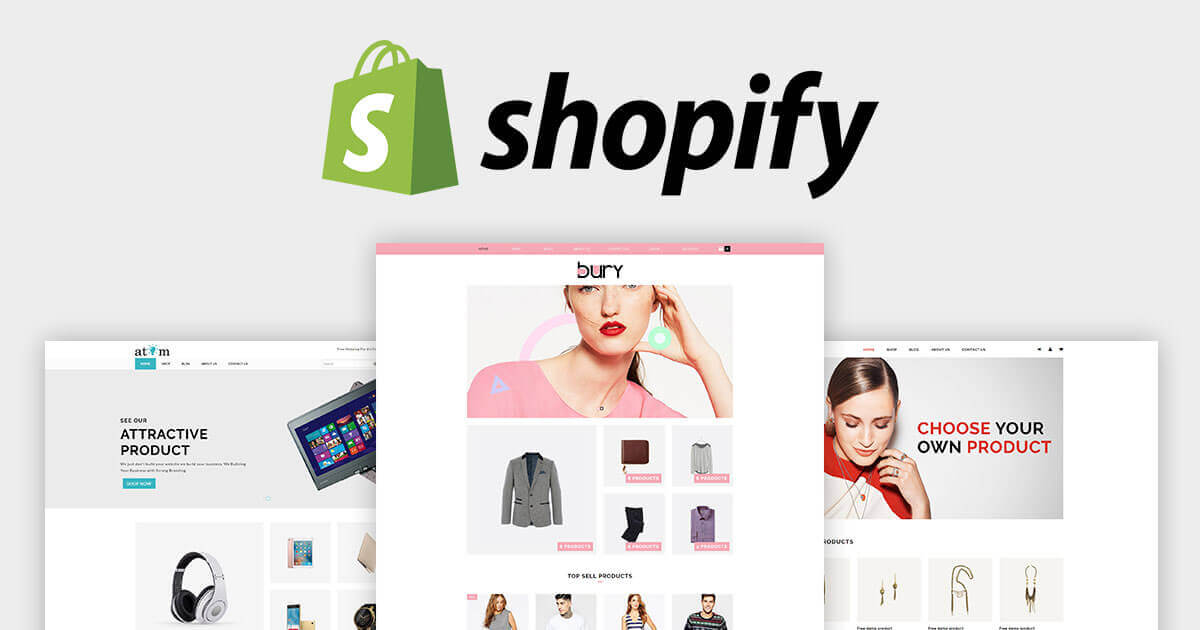
Shopify is a user-friendly e-commerce platform that allows businesses to set up online stores quickly with customizable templates and integrated payment options. Its edge is ease of use and a vast app ecosystem for expanding store functionality.
Best for: Small to medium-sized online businesses
Shopify is one of the most widely used e-commerce platforms globally. It offers an all-in-one hosted solution with built-in payments, storefront themes, and a large app ecosystem.
Key features:
- Quick online store setup
- Secure checkout and payments
- App marketplace for marketing and logistics
- Multi-channel selling (web, social, marketplaces)
Limitations:
Monthly fees increase as advanced features and apps are added.
2. WooCommerce
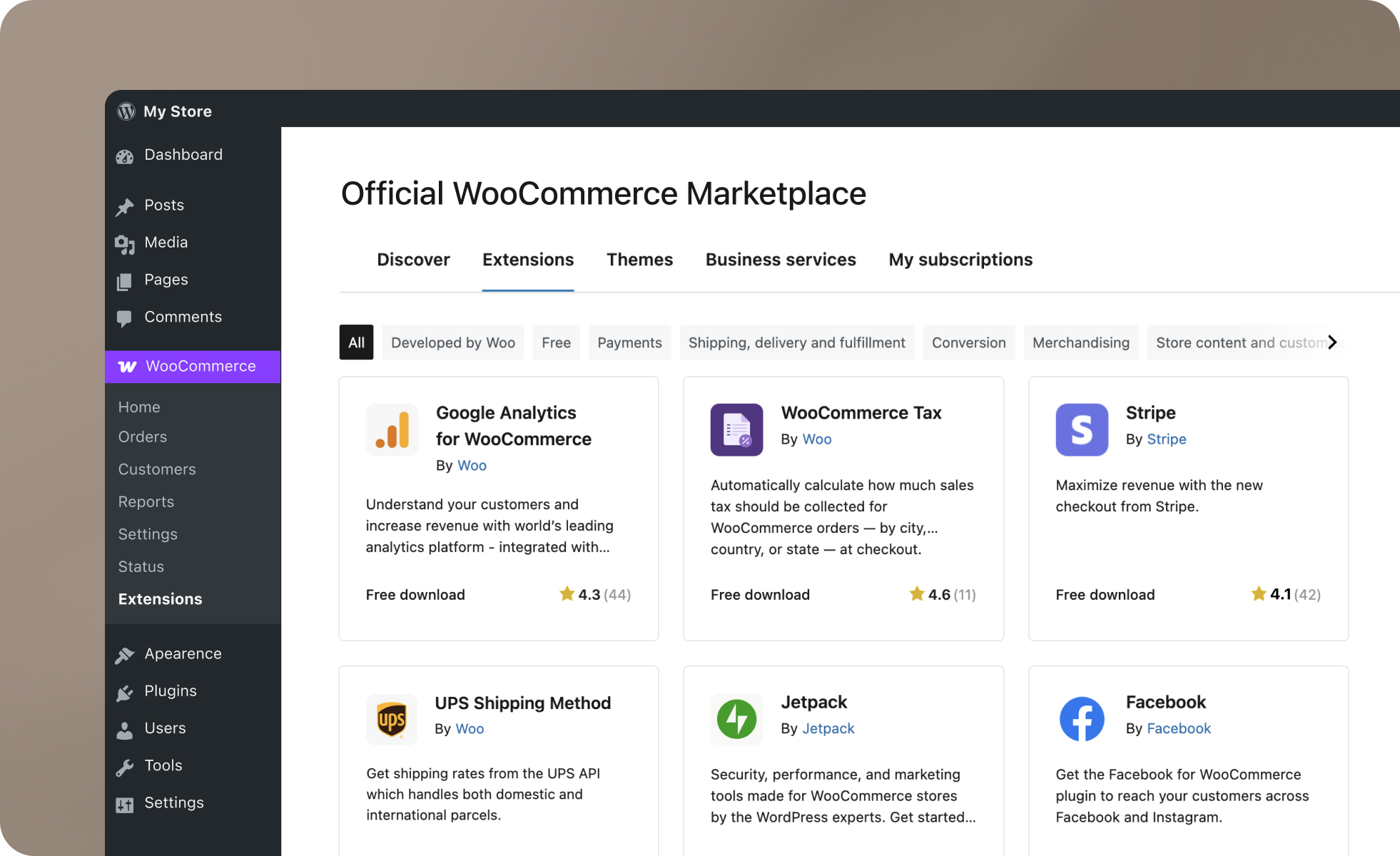
WooCommerce is a flexible WordPress plugin that turns a website into a fully functional online store. Its edge is full customization and control for businesses already using WordPress, with thousands of extensions available.
Best for: WordPress-based websites and content-driven stores
WooCommerce is an open-source e-commerce plugin built for WordPress, offering flexibility and customization.
Key features:
- Full control over store design and functionality
- Extensive plugin ecosystem
- SEO-friendly structure
Limitations:
Requires hosting, maintenance, and technical setup.
3. BigCommerce
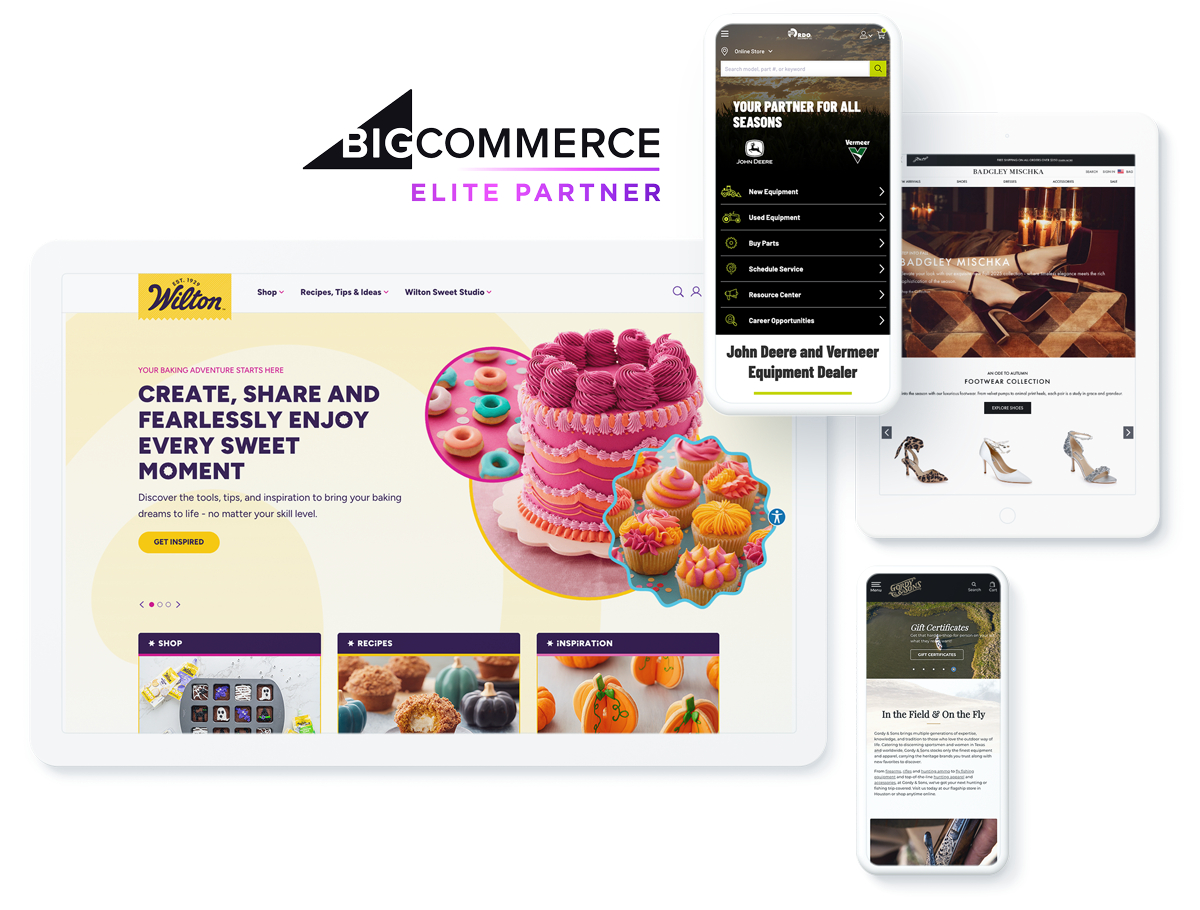
BigCommerce is a scalable e-commerce platform for growing businesses, offering built-in features for SEO, multi-channel selling, and inventory management. Its edge is robust out-of-the-box functionality that supports larger catalogs and complex operations.
Best for: Scaling and multi-channel sellers
BigCommerce is a SaaS e-commerce platform known for strong native features without heavy reliance on third-party apps.
Key features:
- Built-in SEO and marketing tools
- Multi-storefront support
- Headless commerce capabilities
Limitations:
Pricing tiers increase as sales volume grows.
4. Adobe Commerce (Magento)
Adobe Commerce, formerly Magento, is a highly customizable e-commerce solution for enterprises needing complex, feature-rich online stores. Its edge is flexibility and scalability, suitable for businesses with advanced needs and developer resources.
Best for: Enterprise and complex e-commerce operations
Adobe Commerce (formerly Magento) is a powerful and highly customizable platform used by large retailers.
Key features:
- Advanced catalog and pricing rules
- B2B and multi-store capabilities
- Full customization and scalability
Limitations:
High development and maintenance costs.
5. Wix eCommerce
Wix eCommerce is an easy-to-use platform for small businesses to create visually appealing online stores quickly. Its edge is simple drag-and-drop design tools combined with essential e-commerce functionality.
Best for: Small businesses and first-time sellers
Wix eCommerce offers drag-and-drop website building with integrated online selling tools.
Key features:
- Beginner-friendly interface
- Built-in payment and marketing tools
- Fast setup
Limitations:
Limited scalability for complex operations.
6. Squarespace Commerce
Squarespace Commerce integrates e-commerce into its website builder, offering stylish templates and basic online selling tools. Its edge is premium design quality and simplicity, ideal for visually-focused brands.
Best for: Design-focused and creative brands
Squarespace Commerce is known for visually appealing templates and ease of use.
Key features:
- High-quality design templates
- Integrated marketing and analytics
- Simple product management
Limitations:
Less flexibility for advanced e-commerce workflows.
7. PrestaShop
PrestaShop is an open-source e-commerce platform with extensive customization options and add-ons. Its edge is flexibility for businesses that want full control over their online store without platform restrictions.
Best for: International and multi-language stores
PrestaShop is an open-source e-commerce platform popular in Europe and global markets.
Key features:
- Multi-language and multi-currency support
- Modular extensions
- Flexible customization
Limitations:
Requires technical management and hosting.
8. OpenCart
OpenCart is a lightweight, open-source e-commerce solution that allows for easy store management and extensions. Its edge is simplicity, low cost, and a wide community of developers for support.
Best for: Lightweight and developer-friendly stores
OpenCart is a free, open-source platform suited for simple e-commerce needs.
Key features:
- Low system requirements
- Modular extensions
- Simple admin interface
Limitations:
Limited advanced features without customization.
9. Salesforce Commerce Cloud
Salesforce Commerce Cloud is an enterprise-grade cloud e-commerce platform with AI-driven personalization and multi-channel support. Its edge is deep integration with CRM and advanced analytics for large-scale operations.
Best for: Large enterprises and global brands
Salesforce Commerce Cloud delivers AI-driven personalization and unified commerce.
Key features:
- Advanced customer personalization
- Omnichannel commerce
- Enterprise scalability
Limitations:
High cost and enterprise-level implementation complexity.
10. Ecwid
Ecwid is a plug-and-play e-commerce solution that can be added to any existing website or social media page. Its edge is easy integration and quick setup, allowing businesses to sell online without building a separate store.
Best for: Adding e-commerce to existing websites
Ecwid allows businesses to embed an online store into any website or social platform.
Key features:
- Easy integration with existing sites
- Multi-channel selling
- Minimal setup
Limitations:
Not ideal for large or complex stores.
Where BNTM HUB E-Commerce Module Stands Out
BNTM HUB E-Commerce Module is designed as part of a broader business management ecosystem, not just a standalone online store builder.
Key advantages of BNTM HUB:
- Integrated with POS, inventory, and finance modules
- Centralized dashboard for sales, orders, and analytics
- Localized workflows for Philippine businesses
- Supports online, offline, and marketplace sales
- Local onboarding and customer support
Unlike many global platforms that focus only on storefronts, BNTM HUB connects e-commerce directly with backend operations, helping businesses reduce complexity and improve operational efficiency.
Best for:
SMEs, institutions, and organizations looking for a scalable, all-in-one e-commerce module with strong local support.
Quick Comparison Overview
| E-Commerce Platform | Best For |
|---|---|
| Shopify | SMB online stores |
| WooCommerce | WordPress sites |
| BigCommerce | Scaling brands |
| Adobe Commerce | Enterprise |
| Wix eCommerce | Small sellers |
| Squarespace | Design-driven brands |
| PrestaShop | International stores |
| OpenCart | Lightweight setups |
| Salesforce Commerce Cloud | Global enterprises |
| BNTM HUB | Integrated local business operations |
How to Choose the Right E-Commerce Module
When selecting an e-commerce module, consider:
- Business size and growth plans
- Integration with POS and inventory
- Technical resources
- Local compliance and support
- Total cost of ownership
An effective e-commerce module should support not just online sales, but also long-term scalability and business intelligence.
Final Thoughts



While global platforms dominate the e-commerce landscape, BNTM HUB E-Commerce Module offers a strong alternative for businesses seeking integration, localization, and operational efficiency in a single platform.
Short list here: https://www.bentamo.site/register/