
SOC 2 Compliance Consulting for Philippine MSMEs: What It Is, Why It Matters, and How to Build Trust in Digital Operations
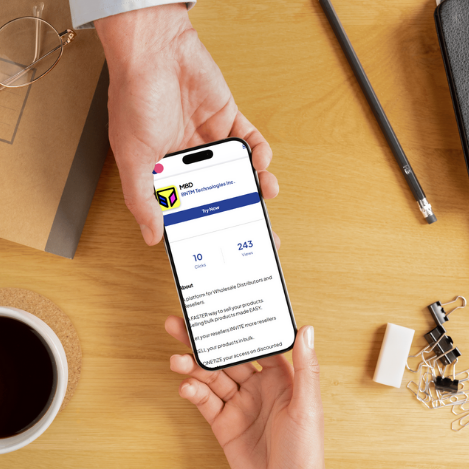
SOC 2 compliance consulting has become a topic of growing interest for businesses around the world—but what does it mean for Philippine MSMEs (micro, small, and medium enterprises) navigating digital transformation? In an era where data privacy, operational reliability, and customer trust are top priorities, many local companies are looking for ways to strengthen their systems without sacrificing agility or affordability.
While SOC 2 standards were originally developed with technology and SaaS companies in mind, the reasoning behind them—secure systems, reliable processes, and trust-worthy operations—is relevant to businesses of all sizes, including Philippine MSMEs that handle customer data, digital payments, online orders, employees, and financial records.
This guide unpacks everything you need to know about SOC 2 compliance consulting—from its core principles and business impact to practical steps Philippine MSMEs can take toward stronger security, data protection, and operational excellence. Along the way, we’ll highlight how unified digital platforms like Bentamo Hub (BNTM HUB), an all-in-one business suite built by BNTM Technologies Inc. in Cagayan de Oro, can help MSMEs centralize key operations while supporting stronger compliance practices.
What Is SOC 2 Compliance Consulting?
SOC 2 (Service Organization Control 2) is a framework developed by the American Institute of Certified Public Accountants (AICPA) that defines standards for managing customer data based on five “trust service criteria”: security, availability, processing integrity, confidentiality, and privacy. Although SOC 2 reports are most commonly associated with technology and cloud service providers, the standards apply to any organization that stores or processes customer information in digital systems.
SOC 2 compliance consulting refers to professional guidance and advisory services that help businesses understand SOC 2 requirements, assess their current systems and controls, close gaps, and prepare for formal audits or compliance reporting.
For Philippine MSMEs looking to build a stronger operational foundation—especially those using digital tools, e-commerce platforms, or cloud-based systems—SOC 2 compliance consulting offers a structured way to evaluate and improve how data and processes are handled.
Unlike regulatory standards that apply only to certain industries, SOC 2 is a voluntary standard. However, it’s increasingly viewed as a mark of operational maturity and trustworthiness—especially by business partners, investors, and clients who demand strong security and data protection practices.
Why SOC 2 Compliance Is Relevant to Philippine MSMEs
It’s easy to think of SOC 2 as something only multinational tech companies need. But the reality is shifting:
- Philippine MSMEs are rapidly adopting digital systems for sales, inventory, payments, HR, customer management, and more.
- Cloud applications host sensitive business and customer data outside traditional on-site environments.
- Customers and partners increasingly inquire about how their data is protected—especially when payments and personal information are involved.
- E-commerce marketplaces, payment processors, and digital service providers often expect vendors to demonstrate responsible data practices.
SOC 2 compliance consulting provides structured guidance for addressing these concerns. Even if an MSME never undergoes a formal SOC 2 audit, the principles help businesses build more reliable, secure, and transparent systems.
In practice, this means MSMEs can:
- Reduce the risk of data breaches or operational disruptions
- Improve internal workflows through documented controls
- Strengthen customer trust and brand credibility
- Prepare for future partnerships that require security assurances
As MSMEs modernize their operations, organizing systems around best-practice security and compliance principles becomes a competitive advantage—not just a checkbox.
The Core Principles of SOC 2
SOC 2 compliance centers on the trust service criteria—guiding principles that define what a secure and reliable system looks like:
- Security — Preventing unauthorized access, both physical and logical
- Availability — Ensuring systems function as expected
- Processing Integrity — Delivering accurate, complete, and timely results
- Confidentiality — Protecting sensitive information
- Privacy — Handling personal data responsibly
SOC 2 compliance consulting helps businesses evaluate controls against these criteria. For example:
- Which systems control access to sensitive data?
- How are backups and system resiliency managed?
- What policies ensure accurate data processing and reporting?
- How is customer information protected from unauthorized disclosure?
While comprehensive SOC 2 certification is a formal exercise requiring audits by licensed CPAs, the consulting side offers practical, actionable steps MSMEs can adopt immediately.
Why MSMEs Should Care About Compliance Consulting
For Philippine MSMEs, processes may start informally: passwords written in notebooks, spreadsheets tracking data, or manual workflows shared among team members. While this may work in early stages, unstructured systems become riskier as businesses scale.
SOC 2 compliance consulting helps identify these risk areas and recommend improvements tailored to a business’s size, budget, and goals.
Here’s why MSMEs benefit:
1. Structured Risk Assessment
Consultants help businesses understand where sensitive data resides, how it’s accessed, and what controls are in place—or missing.
2. Process Documentation
Clear documentation of workflows, access controls, and responsibilities reduces dependence on tribal knowledge and strengthens training and accountability.
3. Operational Improvements
Best-practice recommendations often enhance efficiency, automation, and accuracy—benefits that extend beyond security.
4. Enhanced Customer Confidence
Even without formal certification, demonstrating that your systems align with SOC 2 principles boosts confidence among customers and partners.
5. Foundation for Growth
As MSMEs expand, structured systems help them handle increased data volume, customer interactions, and multi-channel operations with fewer errors.
In the Philippines, where many MSMEs are adopting digital commerce solutions, SOC 2 compliance consulting provides a roadmap for safe, responsible data and process management.
The Role of Digital Platforms in Compliance
Compliance isn’t just about policies and paperwork. Tools and systems play a crucial role. When data and processes are fragmented across multiple apps, spreadsheets, or disconnected systems, it becomes harder to enforce controls consistently.
This is where unified platforms like Bentamo Hub (BNTM HUB) become relevant. Bentamo Hub is a Filipino-built, all-in-one business management platform that helps MSMEs centralize operations into one digital workspace—reducing exposure points and making consistent controls more achievable.
By integrating key business modules—such as inventory, finance, HR, sales, CRM, and online payments—into a centralized system, businesses can:
- Standardize data access and storage
- Improve transparency across operations
- Reduce manual copying and data fragmentation
- Monitor activity in real time from one dashboard
To learn more about the vision and capabilities of Bentamo Hub, visit the official company page: https://www.bentamo.site/who-we-are
How Bentamo Hub Supports Stronger Compliance Practices
Bentamo Hub isn’t a compliance “certification tool,” but its design supports many of the operational principles behind compliance frameworks like SOC 2. MSMEs looking to advance their compliance maturity can benefit from the way the platform centralizes data and processes.
Below are the core modules that support compliance-oriented operations:
Inventory Management — Accuracy and Traceability
Bentamo Hub’s Inventory Management Module tracks stock levels, batches, and movements across channels. Because inventory feeds into finance and sales automatically, businesses avoid manual errors and gain traceable audit trails for stock transactions.
Accurate inventory data supports processing integrity—a key trust service criterion in SOC 2.
Finance Management — Consistent Recording and Reporting
The Finance Management Module monitors cash flow, income, expenses, and financial performance in real time. Instead of relying on manual spreadsheet updates, sales, payments, and expense entries update automatically.
This reduces the risk of inconsistent financial data and supports reliable reporting practices.
Human Resources (HR) — Employee Records and Controls
Employee attendance, payroll, and leave records are often among the most sensitive business data sets. Bentamo Hub’s HR Module centralizes this data with controlled access—making it easier to document and audit internal policies.
This aligns with confidentiality and privacy practices encouraged in compliance frameworks.
E-Commerce and POS — Unified Sales Data
Sales from online stores and physical points of sale feed directly into inventory and finance. This minimizes manual reconciliation and supports processing integrity across sales channels.
Having accurate, centralized sales and stock data strengthens operational controls and reduces exposure to errors.
CRM — Customer Data Controls
Bentamo Hub’s CRM Module consolidates customer records, interactions, and preferences in one place. When customer data is stored in a unified system with access controls, it becomes easier to manage privacy and confidentiality concerns.
Online Payments & Invoicing — Secure Transactions
With the Online Payments & Invoicing Module, MSMEs can handle billing and digital collections while ensuring these transactions feed into financial records automatically. This not only streamlines revenue recognition but also reduces manual processing errors—supporting traceability.
Central Dashboard — Visibility and Monitoring
One of the key benefits of centralized systems is visibility. With Bentamo Hub’s dashboard, business owners and authorized managers can monitor activity across modules, spot irregularities, and enforce consistent practices.
Such visibility supports core compliance principles by making it easier to detect anomalies and enforce controls.
If you’re interested in discussing how an integrated system can support your business’s operational maturity, explore Bentamo Hub’s solutions here: https://www.bentamo.site/contact-us
Practical Steps Toward SOC 2-Aligned Practices for MSMEs
Here are practical, action-oriented steps Philippine MSMEs can adopt as part of their compliance journey—even if they are not pursuing formal SOC 2 certification:
1. Map Your Data and Processes
Identify where your critical data resides (customer information, financial records, employee data) and how it flows through your business.
2. Standardize Access Controls
Limit access to sensitive data only to authorized personnel. Use managed tools that allow role-based access.
3. Document Policies and Procedures
Create written workflows for key operations—sales processing, financial reconciliation, HR updates, and inventory adjustments.
4. Centralize Core Business Functions
Use integrated platforms like Bentamo Hub to reduce fragmentation and enforce consistent practices.
5. Train Teams on Secure Practices
Educate your team on password management, data handling protocols, and how to use your unified systems responsibly.
6. Monitor and Review Regularly
Set up periodic reviews of records, logs, and workflows to detect discrepancies early.
7. Seek Professional Guidance When Needed
Engage compliance consultants if you intend to formalize controls, prepare for audits, or adopt enterprise-grade security practices.
SOC 2 Compliance Beyond Certification: A Value Proposition
For many Philippine MSMEs, full formal SOC 2 compliance certification may not be immediately necessary—or cost-effective. However, adopting the principles behind SOC 2 standards offers real business value.
Consider this: when your operations are structured, documented, and centralized:
- Customers feel safer doing business with you
- Partners see confidence in your processes
- Internal teams spend less time fixing manual errors
- Growth doesn’t create chaos
SOC 2 compliance consulting helps businesses see compliance not as a hurdle but as an opportunity to build discipline, transparency, and trust.
Frequently Asked Questions (FAQs)
What is SOC 2 compliance consulting?
SOC 2 compliance consulting refers to professional guidance that helps businesses understand SOC 2 criteria, assess controls, and implement practices aligned with security, availability, processing integrity, confidentiality, and privacy.
Is SOC 2 compliance required for Philippine MSMEs?
No, SOC 2 is voluntary. However, its principles help MSMEs build stronger systems, especially if they handle sensitive data or seek partnerships with organizations that value secure operations.
Can platforms like Bentamo Hub support compliance practices?
Yes. Bentamo Hub’s unified modules for inventory, finance, HR, CRM, and payments help centralize data and reduce fragmentation—supporting many operational controls that align with compliance principles.
How do I start improving compliance in my business?
Begin by mapping your data and processes, standardizing access controls, documenting procedures, and centralizing operations with integrated tools.
Do I need a formal SOC 2 audit?
Not necessarily. Many MSMEs benefit from applying SOC 2 principles internally without pursuing formal audits unless required by partners or clients.
Building Trust and Growth Through Strong Operations
Security, integrity, and reliability are no longer optional in a digitally connected market. Whether an MSME operates a physical store, an online shop, or a hybrid model, responsible data handling and operational transparency matter.
While formal SOC 2 compliance consulting may seem tailored to larger tech companies, the underlying principles offer practical guidance for any business that interacts with customer data, financial systems, or digital workflows.
Centralizing operations through platforms like Bentamo Hub (BNTM HUB) helps Filipino MSMEs unify key processes, reduce errors, and enforce consistent practices—making compliance, in practice, simpler and more achievable.
For MSMEs ready to move toward stronger operational maturity, exploring integrated solutions that support secure, structured, and efficient workflows is a meaningful first step.