
How to Start an E-Commerce Store in the Philippines: A Complete MSME Guide (2025 Edition)
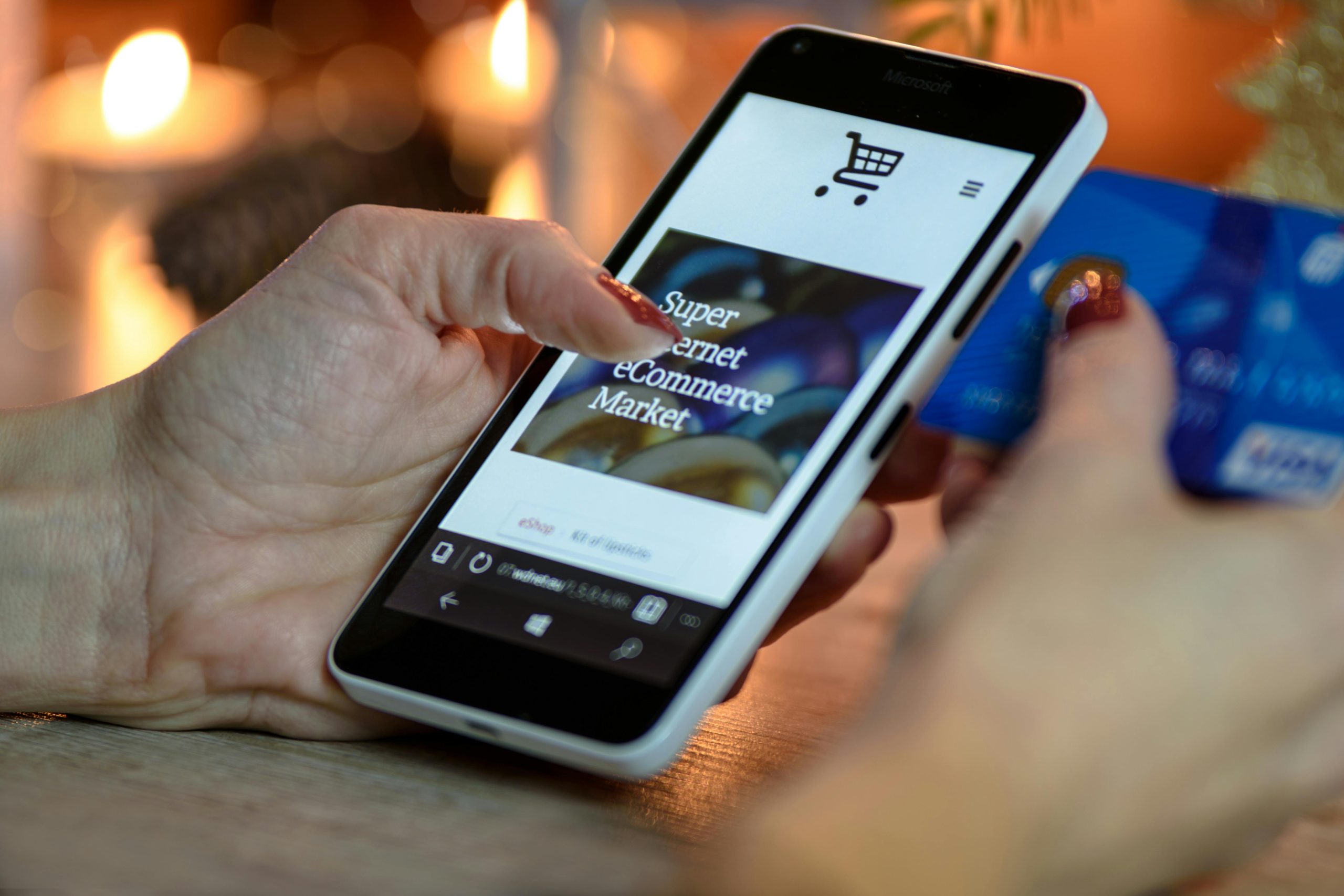
Starting an e-commerce store in the Philippines has become one of the most practical and profitable paths for MSMEs (micro, small, and medium enterprises). With the country’s growing digital economy, accessible online tools, and the rapid rise of online shoppers, even small local brands can now compete with big players.
But while starting seems easy — the real success lies in how you build, manage, and connect every part of your business. This is where platforms like Bentamo Hub (BNTM HUB) — an all-in-one business management suite developed by BNTM Technologies Inc. in Cagayan de Oro — come in. Bentamo Hub simplifies how Filipino MSMEs run their online stores, from inventory and payments to HR and finance, all in one connected platform.
Let’s explore everything you need to know to successfully launch and grow your e-commerce store in the Philippines this 2025.
Why Start an E-Commerce Store in the Philippines?
E-commerce in the Philippines is booming. As of 2025, online retail is expected to exceed ₱500 billion in market value, with millions of Filipinos now preferring to shop online.
Here are the top reasons why local entrepreneurs are going digital:
- Wider reach – You can sell beyond your city or province.
- Lower overhead – No need for a physical storefront.
- Cashless payments – Integrate GCash, Maya, or online banking.
- 24/7 operations – Your store earns while you sleep.
- Digital integration – You can link sales, inventory, and accounting seamlessly through systems like Bentamo Hub.
In short, going online lets Filipino MSMEs compete smarter, not harder.
Steps to Start an E-Commerce Store in the Philippines
1. Choose Your Niche and Products
Start by identifying what you want to sell and who your customers are. Some popular niches include fashion, beauty, electronics, eco-friendly goods, and local food products.
Tip: Study demand using Facebook Marketplace or TikTok Shop trends.
2. Register Your Business Legally
Before launching, make sure you register with:
- DTI (for business name)
- BIR (for tax compliance)
- Local government permits
Bentamo Hub’s Finance Module can help MSMEs handle tax records, receipts, and expense tracking once your business goes live.
3. Build Your Online Store
You can create your own e-commerce website or join marketplaces like Shopee or Lazada. But for long-term growth, having your own store gives you full control over branding and pricing.
Bentamo Hub’s E-Commerce Module allows MSMEs to:
- Build online stores easily with no coding skills
- Sync products from the Inventory Module automatically
- Accept online payments directly
- Track orders and customer behavior in real-time
This ensures your e-commerce operations are centralized, efficient, and scalable.
4. Set Up Secure Online Payments
Customers in the Philippines prefer flexible payment options — GCash, Maya, credit cards, and bank transfers.
Bentamo Hub’s Online Payment & Invoicing Module supports secure digital billing and automatically syncs all payment data with your Finance records.
👉 Contact Bentamo Hub to learn how MSMEs can enable seamless online transactions in one system.
5. Manage Inventory and Fulfillment
Avoid overstocking or running out of items by tracking your stock in real time. Bentamo Hub’s Inventory Management Module updates product levels instantly after every online sale, so your records are always accurate.
For service-based MSMEs (like salons or studios), Bentamo’s Booking Module also allows customers to schedule appointments online — integrating directly into your finance and HR systems.
6. Market Your Store Online
Use Facebook Ads, TikTok, or SEO to reach Filipino audiences. Share your story, use local hashtags, and post real customer feedback.
Bentamo Hub’s CRM Module helps businesses build stronger customer relationships — tracking leads, sales trends, and loyalty rewards in one dashboard.
7. Monitor and Scale Your Operations
The beauty of digital is data. Using Bentamo Hub’s centralized dashboard, MSMEs can analyze sales, profits, and performance across all modules — from HR to inventory — in real time.
This visibility helps business owners make smarter, faster decisions.
How Bentamo Hub Simplifies E-Commerce for MSMEs
Bentamo Hub was designed to make e-commerce simple, affordable, and connected for Filipino MSMEs. It’s a Filipino-built innovation that brings together the essential tools small businesses need to thrive online.
Integrated Modules That Power Your Online Store
| Module | Function |
|---|---|
| E-Commerce | Create and manage your online store with built-in analytics. |
| Inventory | Tracks stocks and syncs with your sales data in real time. |
| Finance | Monitors cash flow, income, and expenses automatically. |
| POS | For hybrid MSMEs with both physical and online sales. |
| CRM | Handles leads, loyalty programs, and customer records. |
| Online Payments | Enables seamless billing and e-payments. |
| HR | Manages payroll and attendance for staff running your online operations. |
| Project Management | Helps coordinate marketing or web development tasks. |
Each module connects seamlessly to the others — a level of automation that saves time and reduces errors for MSMEs.
Learn more about Bentamo Hub’s innovation story at Who We Are | Bentamo.
Local E-Commerce Success Examples
- Cagayan de Oro Coffee Seller: Started selling locally roasted beans online using Bentamo Hub’s e-commerce system. Within six months, the business scaled to national delivery with automated invoicing and inventory tracking.
- Metro Manila Fashion Brand: Used Bentamo’s CRM and E-Commerce Modules to sync customer preferences with product drops — boosting repeat purchases by 40%.
- Cebu-Based Service Business: Integrated Bentamo’s Booking Module for client reservations and Finance Module for automatic billing.
Advantages of Using Bentamo Hub for E-Commerce
✅ All-in-one system — no need for multiple apps
✅ Real-time synchronization between sales, finance, and stock
✅ Designed for Filipino MSMEs — affordable and accessible
✅ Cloud-based — manage your business anywhere
✅ Scalable — pay only for the modules you need
In essence, Bentamo Hub bridges the gap between traditional MSMEs and modern digital operations — making e-commerce easier, smarter, and more Filipino-driven.
FAQs About Starting an E-Commerce Store in the Philippines
1. How much does it cost to start an e-commerce store in the Philippines?
You can start for as low as ₱10,000 if you already have products and basic tools. Using platforms like Bentamo Hub reduces costs by offering modular, affordable systems.
2. Do I need a business permit to sell online?
Yes, DTI and BIR registration are required if you’re running a legitimate store, especially for online payments and receipts.
3. Can I run an e-commerce store without technical skills?
Absolutely. Bentamo Hub’s user-friendly interface allows MSMEs to manage online stores without coding.
4. What payment methods should I offer?
Offer GCash, Maya, debit/credit cards, and COD if possible. Bentamo Hub’s Online Payment Module supports multiple payment channels.
5. How do I track sales and expenses efficiently?
Bentamo Hub’s Finance and Inventory modules automatically record transactions and generate reports — saving hours of manual work.
The Digital Future Awaits Filipino MSMEs
Starting an e-commerce store in the Philippines isn’t just about selling online — it’s about transforming how your business operates. With platforms like Bentamo Hub, MSMEs gain the tools to manage sales, finance, and customer relationships in one powerful digital system.
If you’re ready to take your business online, start with a platform that understands the Filipino market — accessible, affordable, and built by local innovators.
👉 Ready to simplify your e-commerce journey?
Explore how Bentamo Hub can help your MSME launch and grow online — contact Bentamo today.