
E-commerce & Omnichannel Growth for MSMEs in the Philippines
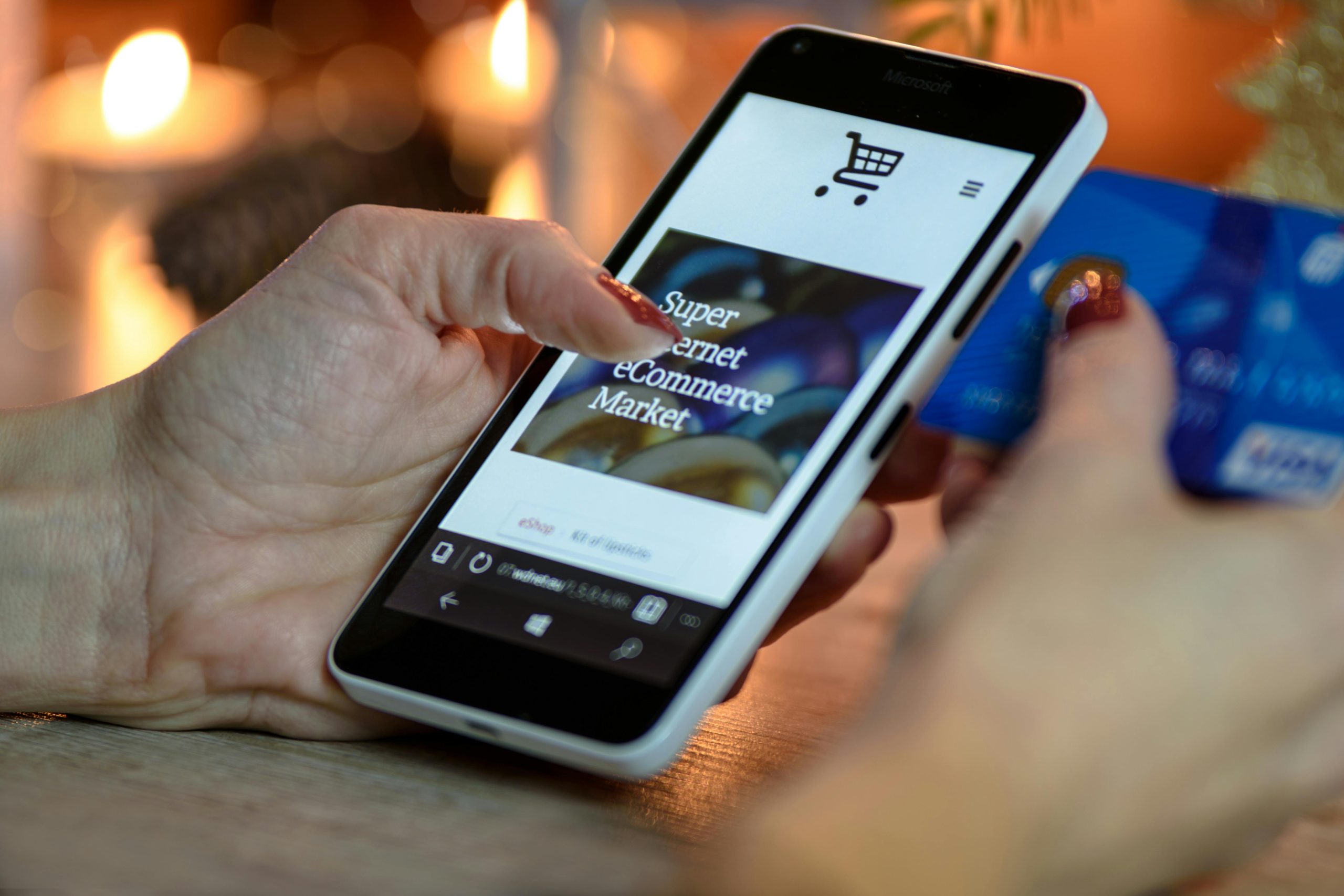
E-commerce & omnichannel strategies are no longer reserved for large retailers and global brands. In the Philippines, MSMEs are increasingly embracing online selling while maintaining physical stores, social media shops, and third-party marketplaces. Customers now expect a seamless experience—whether they buy in-store, order through Facebook, shop on a website, or pay via digital wallets.
For Filipino MSMEs, the real challenge isn’t choosing between online or offline sales. It’s learning how to manage both together. This is where e-commerce & omnichannel thinking becomes essential. It focuses on unifying all sales channels, inventory, payments, and customer data into one connected operation.
Modern platforms like Bentamo Hub (BNTM HUB), developed by BNTM Technologies Inc., naturally align with this approach. Built in the Philippines for local MSMEs, Bentamo Hub supports e-commerce & omnichannel operations by centralizing business data and eliminating the disconnect between channels—without the cost and complexity of enterprise systems.
What Does E-commerce & Omnichannel Really Mean?
E-commerce refers to selling products or services online through websites, marketplaces, or social platforms. Omnichannel goes a step further—it ensures that all sales channels work together as one system.
In an e-commerce & omnichannel setup:
- Inventory is shared across online and offline channels
- Sales data is consolidated into one report
- Customers experience consistent pricing and availability
- Payments are tracked regardless of where the sale happens
For MSMEs in the Philippines, this approach is especially important. Many businesses operate hybrid models—selling from physical stores while also accepting online orders through Facebook, messaging apps, or e-commerce platforms.
Without omnichannel integration, these setups quickly become difficult to manage.
Why E-commerce & Omnichannel Matter for Philippine MSMEs
Consumer behavior in the Philippines has changed significantly. Shoppers browse online before visiting stores, compare prices across platforms, and expect flexible payment options. MSMEs that rely on a single channel often miss opportunities to reach customers where they already are.
E-commerce & omnichannel strategies help MSMEs:
- Expand reach beyond physical locations
- Increase sales without opening new branches
- Improve customer convenience and loyalty
- Gain clearer visibility into overall performance
However, these benefits only materialize when systems are integrated. Managing e-commerce and physical sales separately often leads to stock issues, delayed reporting, and customer dissatisfaction.
Common Challenges in E-commerce & Omnichannel Operations
Many MSMEs jump into online selling quickly, but struggle to sustain it long term. Some of the most common issues include:
Inventory Mismatches
Stock sold in-store isn’t reflected online in real time, leading to overselling or canceled orders.
Disconnected Sales Records
Online sales, POS transactions, and manual orders are tracked separately, making reporting inaccurate.
Payment Reconciliation Problems
Digital payments, cash sales, and transfers are recorded in different systems, complicating cash flow tracking.
Limited Customer Insights
Customer data from different channels isn’t consolidated, making it harder to build loyalty or personalize offers.
These challenges highlight why e-commerce & omnichannel success depends on integration—not just having multiple sales channels.
The Philippine MSME Reality: Hybrid Selling Is the Norm
Unlike large enterprises with dedicated e-commerce teams, Filipino MSMEs often manage everything with small teams. A single business may:
- Sell in a physical store
- Accept orders via social media
- Use an online marketplace
- Offer delivery and pickup options
This hybrid setup is practical—but only if supported by systems that keep everything in sync. Platforms built for MSMEs must reflect how businesses actually operate in the Philippine market.
Bentamo Hub was developed with this reality in mind. Created by BNTM Technologies Inc. in Cagayan de Oro, the platform is designed to unify operations across channels, helping MSMEs adopt e-commerce & omnichannel models without overwhelming their teams. More about the company’s vision can be found at https://www.bentamo.site/who-we-are.
From Single-Channel Selling to Omnichannel Integration
Many MSMEs begin with one channel—often a physical store or social media selling. As demand grows, additional channels are added. The problem arises when each channel operates independently.
E-commerce & omnichannel integration solves this by:
- Centralizing inventory management
- Unifying sales and payment records
- Providing one dashboard for decision-making
- Supporting consistent customer experiences
Rather than managing separate tools, MSMEs benefit from platforms where omnichannel functionality is built into the core system.
How Bentamo Hub Supports E-commerce & Omnichannel for MSMEs
Bentamo Hub (BNTM HUB) is an all-in-one business management platform that brings e-commerce & omnichannel operations together in one digital workspace. Its modular structure allows MSMEs to adopt only what they need while ensuring everything stays connected.
E-Commerce and Inventory Working Together
Bentamo’s E-Commerce module enables businesses to create online stores with real-time inventory synchronization. Products sold online automatically update stock levels—preventing overselling and stock discrepancies.
This integration is essential for omnichannel businesses managing both physical and digital sales.
POS and Online Sales in One System
With Bentamo’s POS module, in-store transactions feed directly into the same inventory and finance system used by e-commerce channels. Whether a sale happens online or offline, it’s recorded consistently.
This unified approach reflects the true performance of e-commerce & omnichannel operations.
Online Payments and Finance Auto-Sync
Bentamo’s Online Payments & Invoicing module ensures that digital payments are automatically recorded in the Finance module. Cash sales, transfers, and online transactions are consolidated—simplifying reconciliation and cash flow tracking.
CRM for Omnichannel Customer Management
Customer Relationship Management (CRM) helps MSMEs track customers across channels. Purchase history, preferences, and interactions are stored in one place—supporting better service and retention.
Booking and Project Management for Service-Based MSMEs
For service businesses offering online bookings alongside walk-in clients, Bentamo’s Booking and Project Management modules ensure schedules, payments, and staff workloads remain aligned.
MSMEs exploring how to align these modules with their selling channels can start conversations through https://www.bentamo.site/contact-us.
Practical E-commerce & Omnichannel Use Cases in the Philippines
Retail Stores with Online Expansion
A local retail shop adds an online store to reach more customers. With integrated inventory and POS, every sale updates stock in real time—reducing errors and improving replenishment.
Social Commerce Sellers
Businesses selling via Facebook or messaging apps benefit from centralized order tracking, inventory updates, and payment recording—without juggling spreadsheets.
E-commerce Brands with Physical Pop-Ups
Online-first sellers opening pop-up stores can manage all transactions through one system, maintaining consistent data across channels.
Service Businesses with Online Booking
Salons, clinics, and repair services combine online booking with in-person payments—supported by integrated scheduling, billing, and payroll.
These examples show how e-commerce & omnichannel strategies become manageable when systems are unified.
Why Filipino-Built Platforms Matter for Omnichannel Growth
Many foreign e-commerce systems are powerful but expensive and complex. They often assume large teams, advanced technical skills, and high budgets.
Bentamo Hub positions itself as a Filipino-built alternative:
- Designed for MSME workflows
- Modular and affordable
- Accessible on any device
- Scalable as the business grows
This makes e-commerce & omnichannel adoption more realistic for local businesses.
Omnichannel as a Competitive Advantage, Not a Burden
When managed poorly, omnichannel selling feels chaotic. When managed well, it becomes a powerful competitive advantage.
E-commerce & omnichannel integration allows MSMEs to:
- Respond faster to customer demand
- Reduce operational errors
- Improve financial accuracy
- Make informed decisions based on real-time data
The key is choosing systems that simplify operations instead of adding layers of complexity.
FAQs About E-commerce & Omnichannel
What is e-commerce & omnichannel?
It refers to selling across multiple channels—online and offline—while keeping inventory, sales, and customer data fully integrated.
Why is omnichannel important for MSMEs in the Philippines?
Filipino consumers shop across platforms. Omnichannel integration helps MSMEs meet customers where they are without operational confusion.
Can small businesses manage omnichannel selling effectively?
Yes. With integrated platforms like Bentamo Hub, MSMEs can manage multiple channels without large teams or complex tools.
What systems are needed for e-commerce & omnichannel operations?
Inventory management, POS, e-commerce, online payments, finance, and CRM all need to work together.
How does Bentamo Hub support e-commerce & omnichannel?
Bentamo Hub centralizes sales channels, synchronizes inventory, automates payments, and unifies reporting—supporting true omnichannel operations.
Building a Connected Selling Experience for the Future
E-commerce & omnichannel strategies are shaping the future of MSMEs in the Philippines. Businesses that continue to treat online and offline sales separately will struggle with inefficiencies and missed opportunities.
The future belongs to MSMEs that unify their channels, data, and operations into one connected system. Bentamo Hub reflects this future—bridging physical stores, online selling, payments, and customer management into a single, Filipino-built platform designed for sustainable growth.
Ready to simplify your business operations? Discover how Bentamo Hub can power your MSME’s digital journey—visit Bentamo today.